News
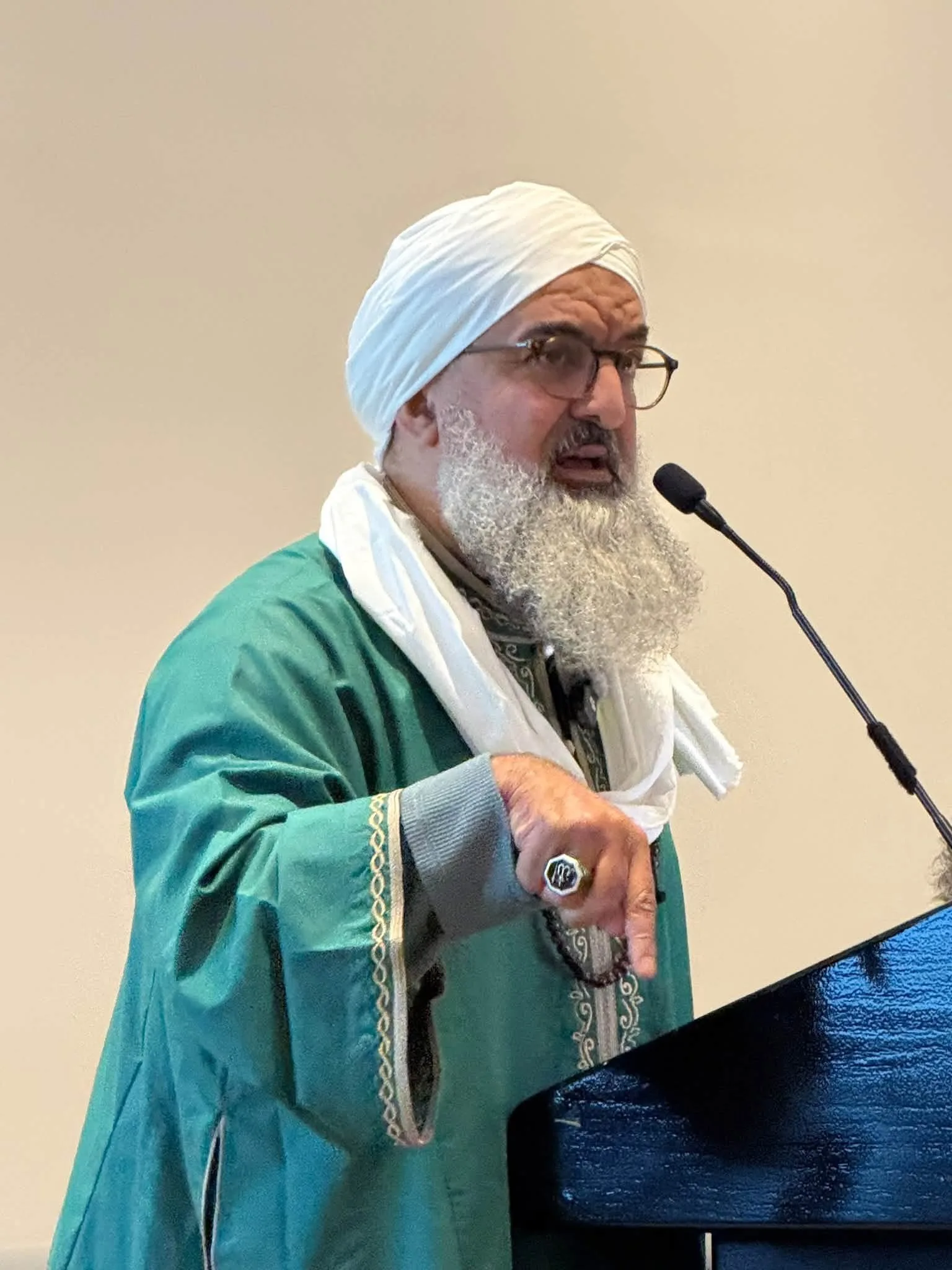
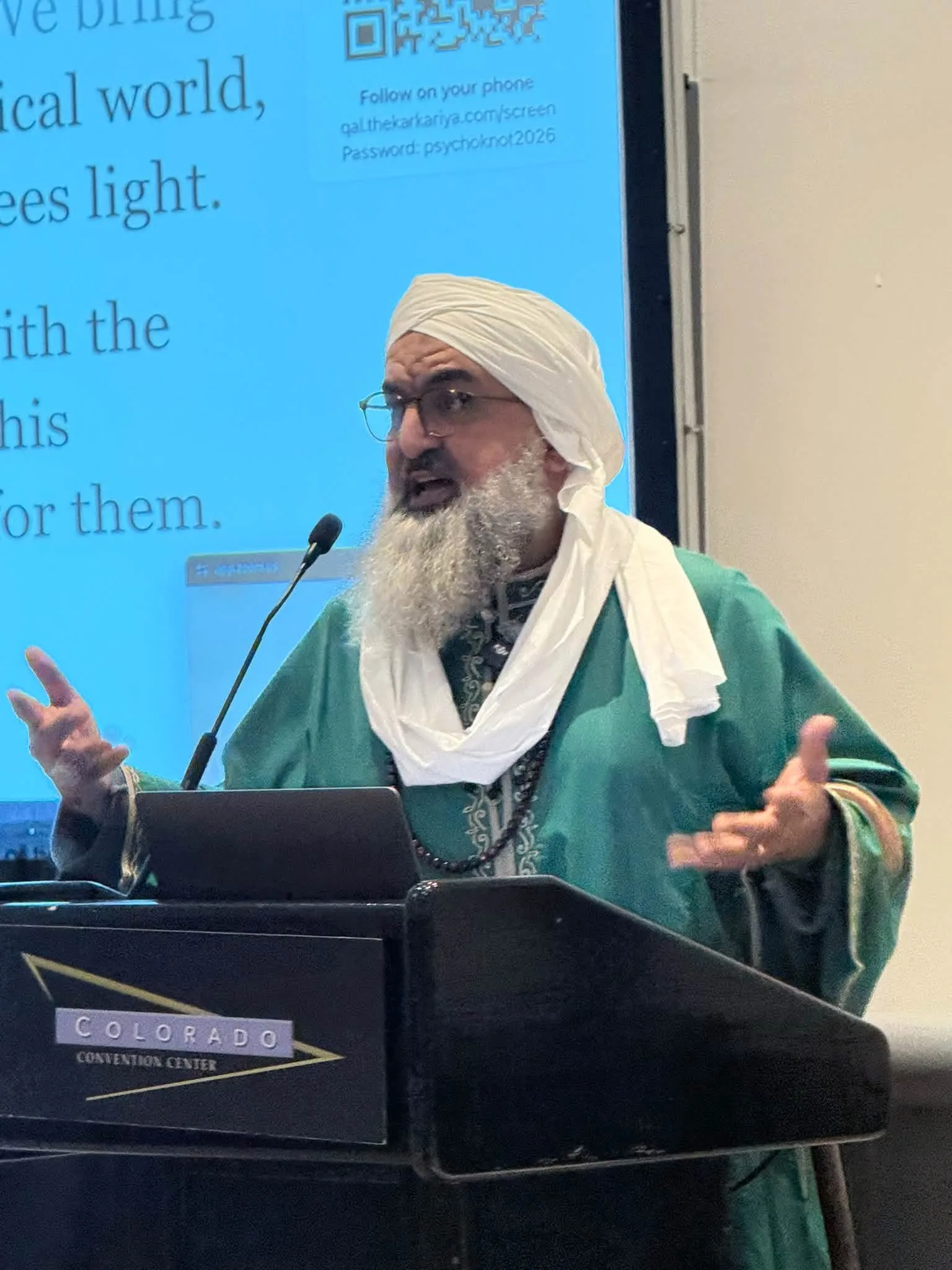
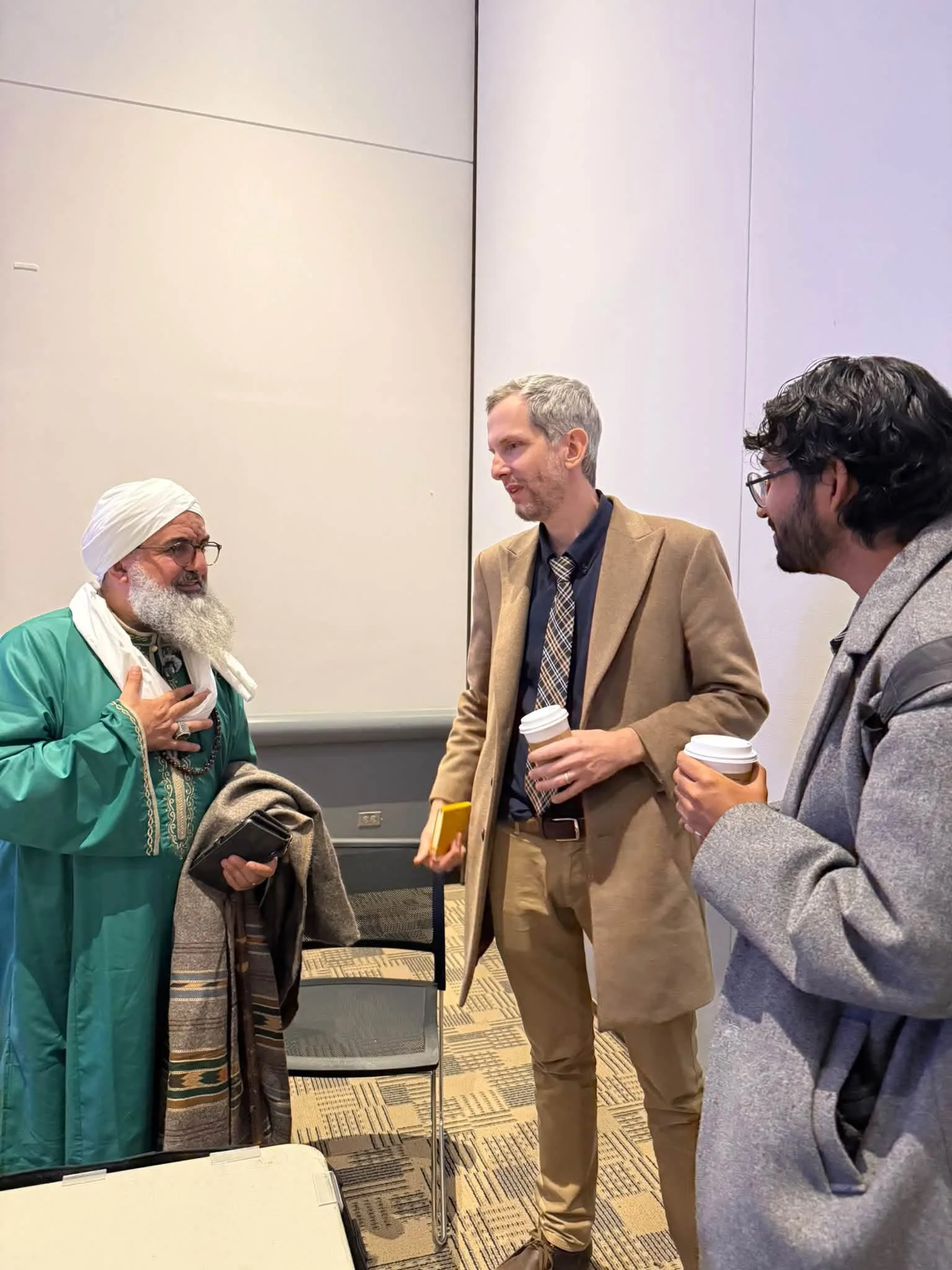
Shaykh Mohamed Faouzi al-Karkari speaks at the 2026 Annual Meeting of the American Academy of Religion
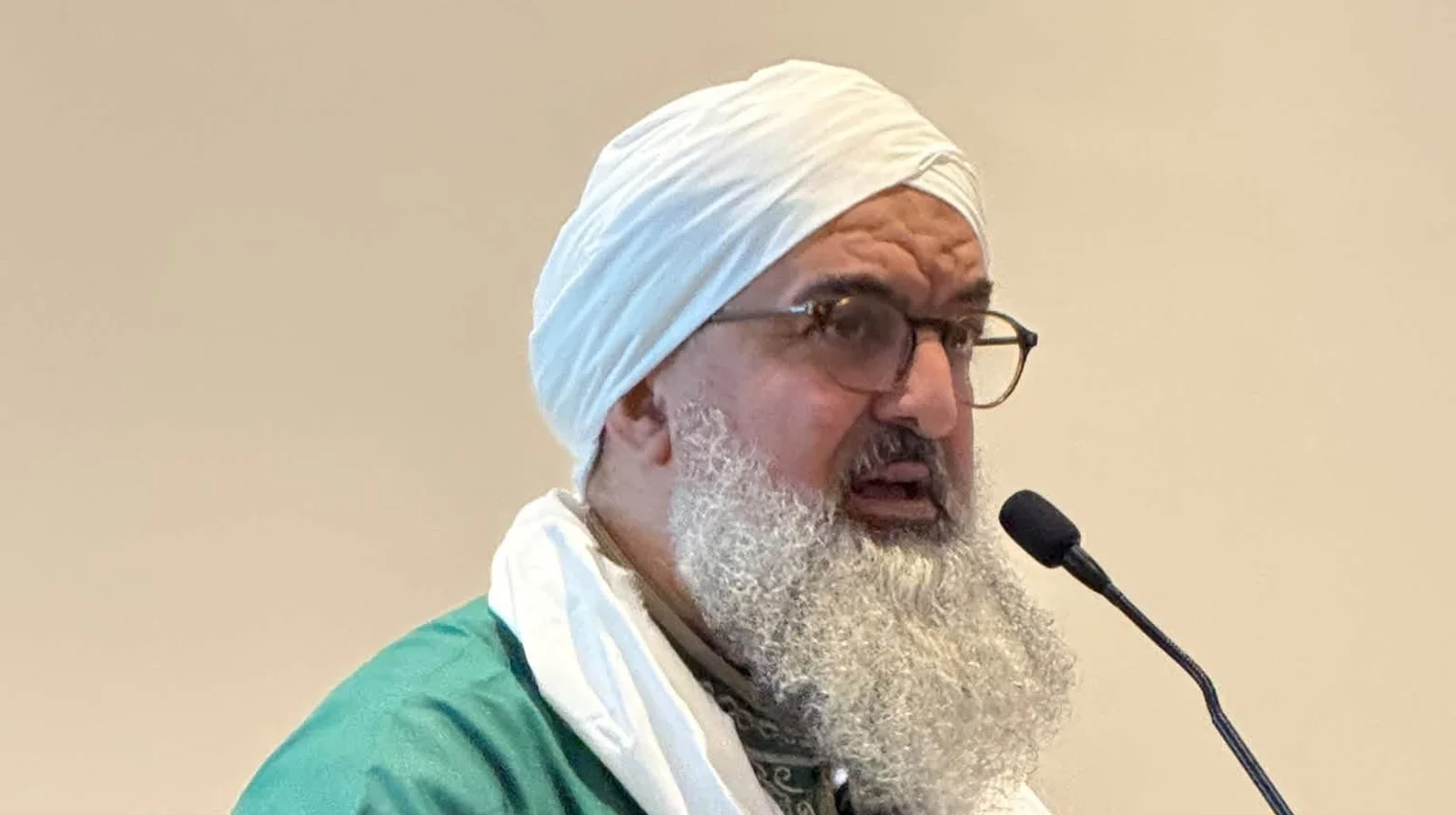
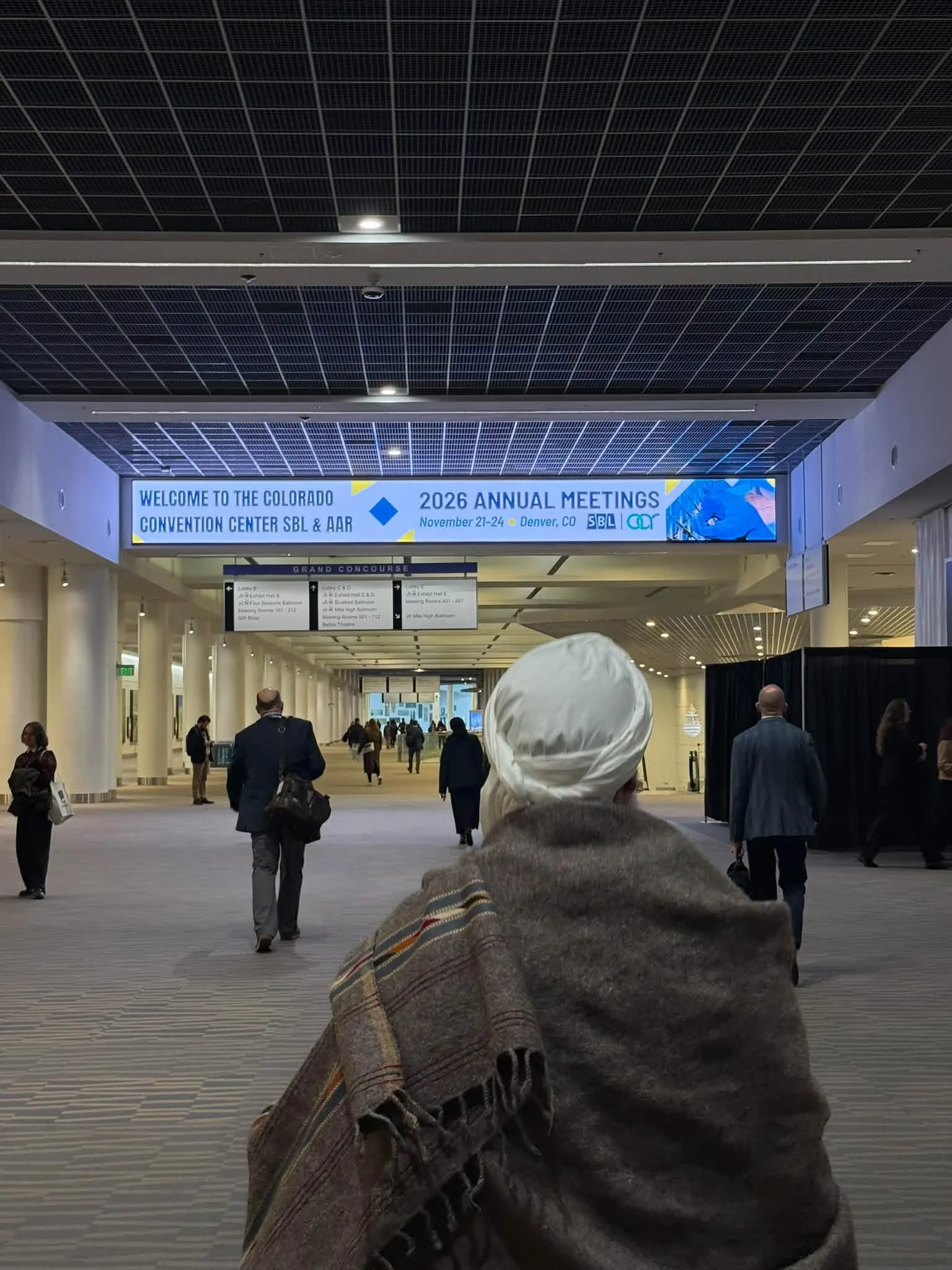
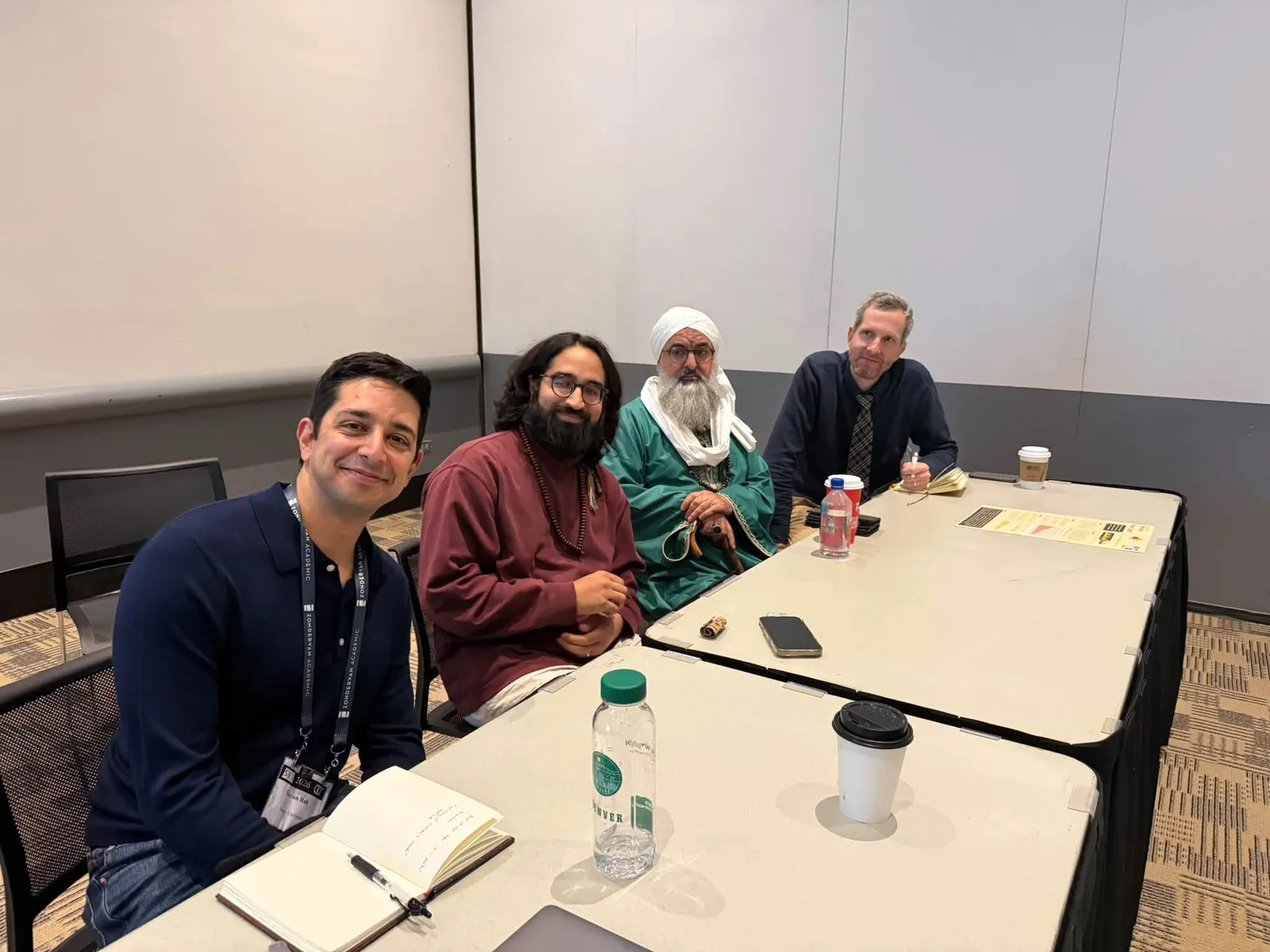
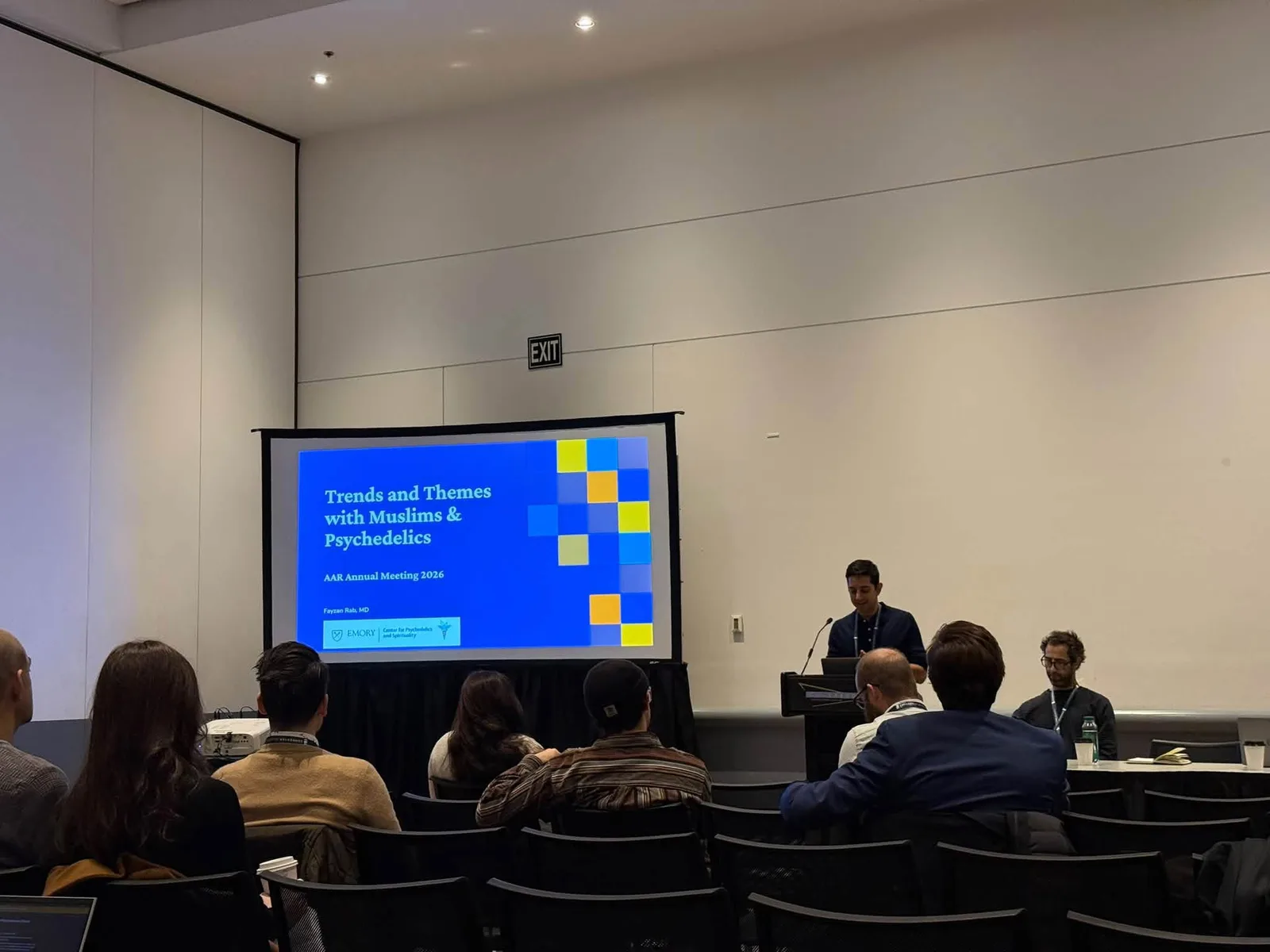
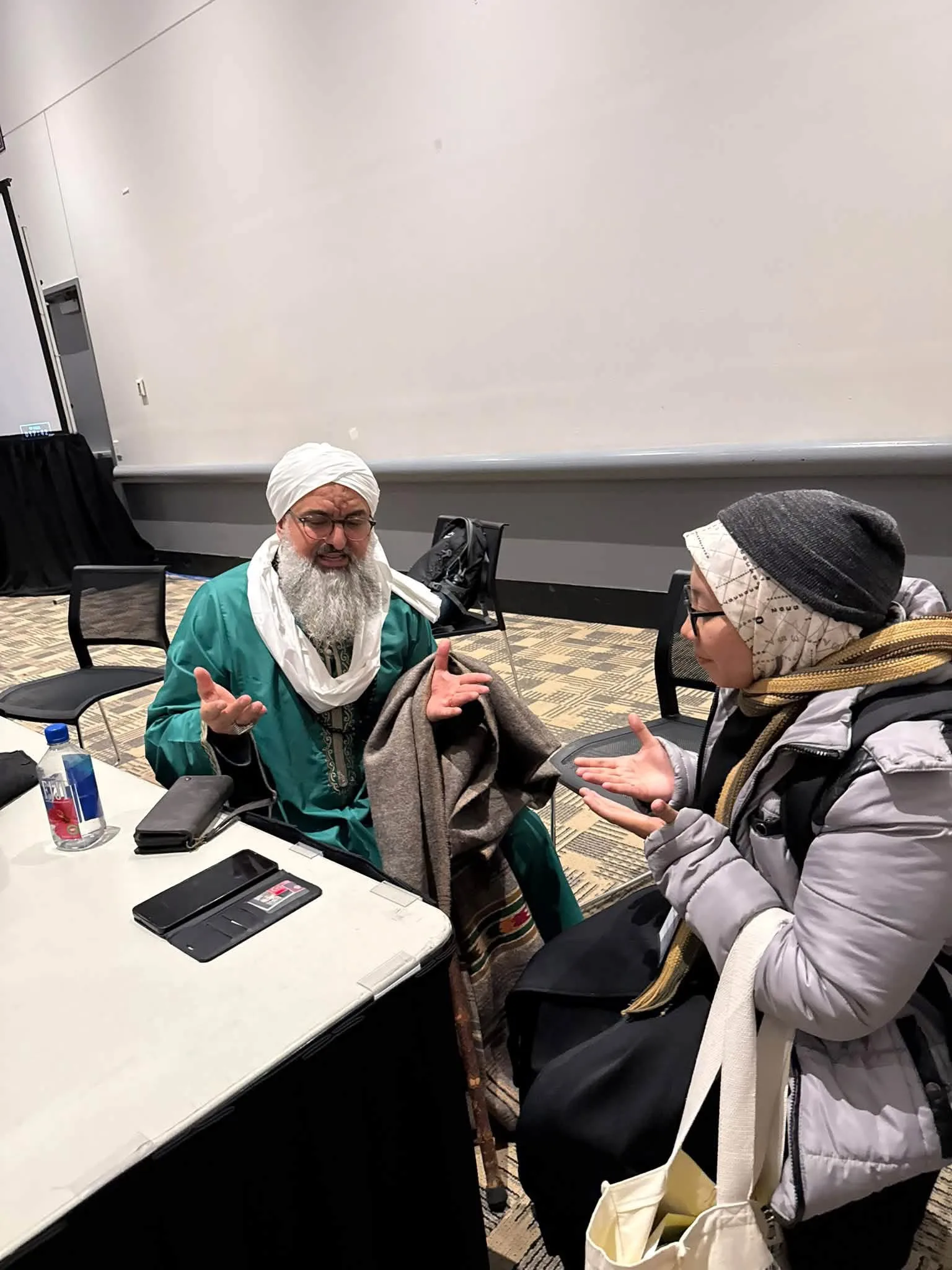
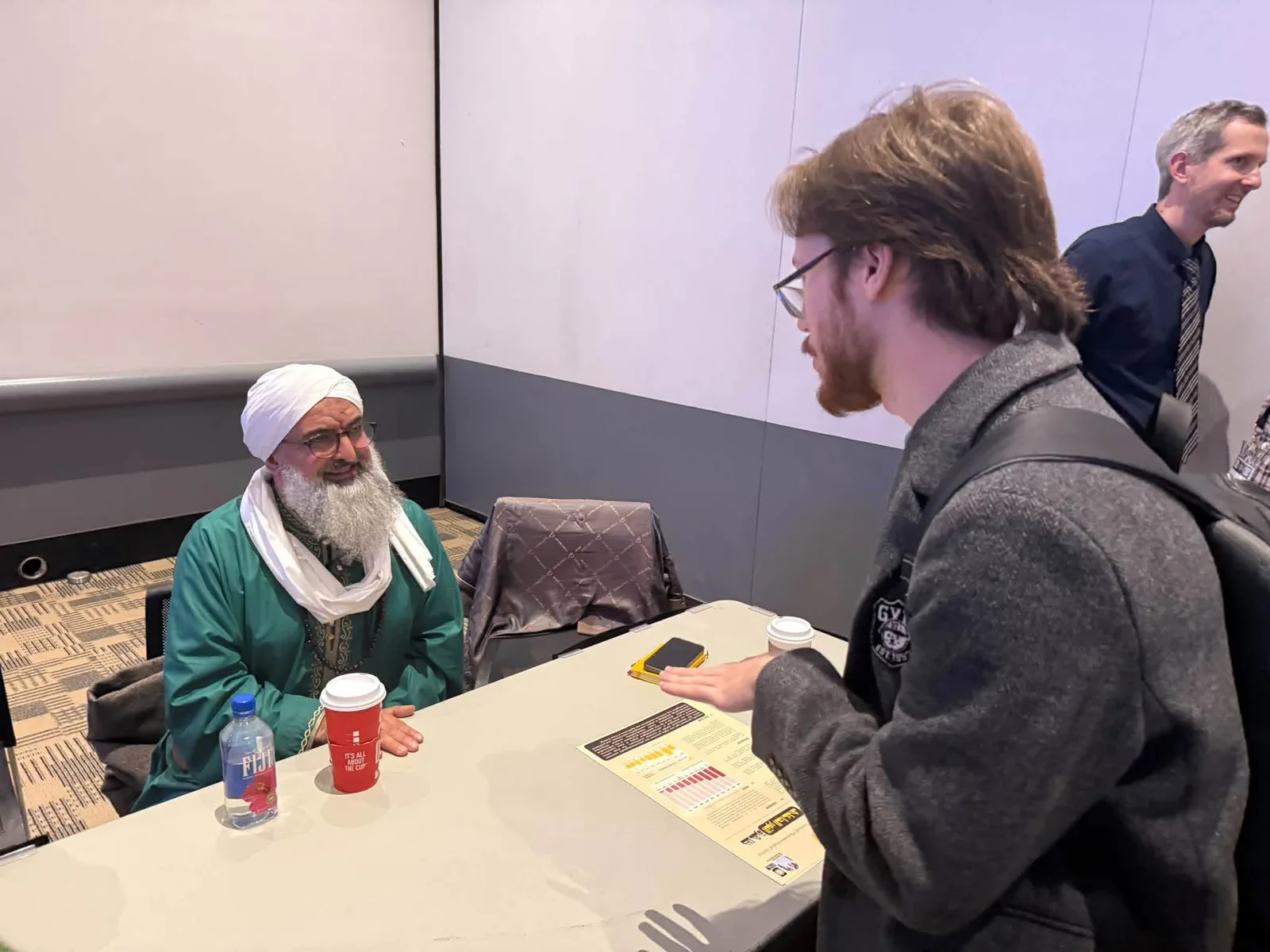
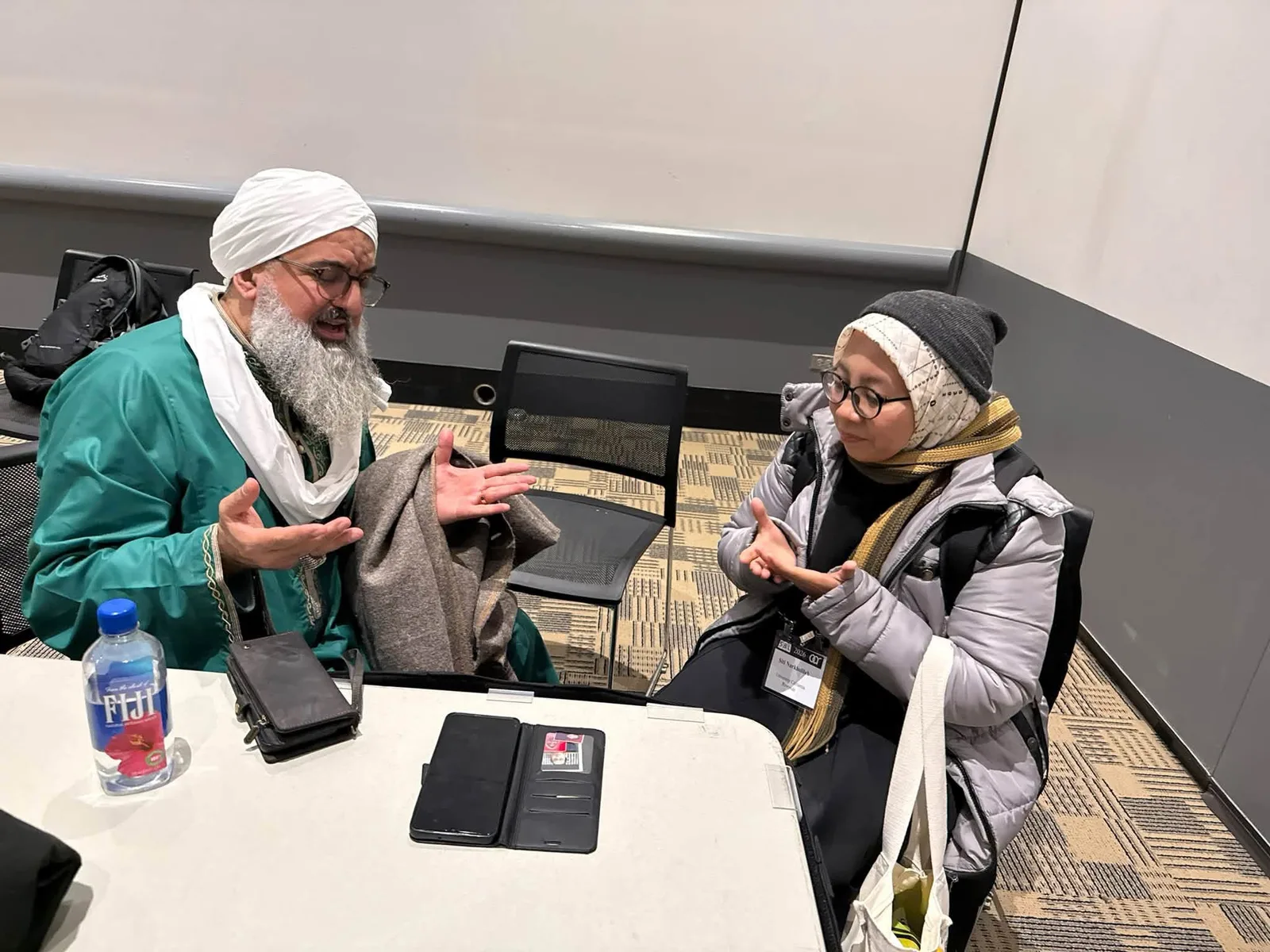
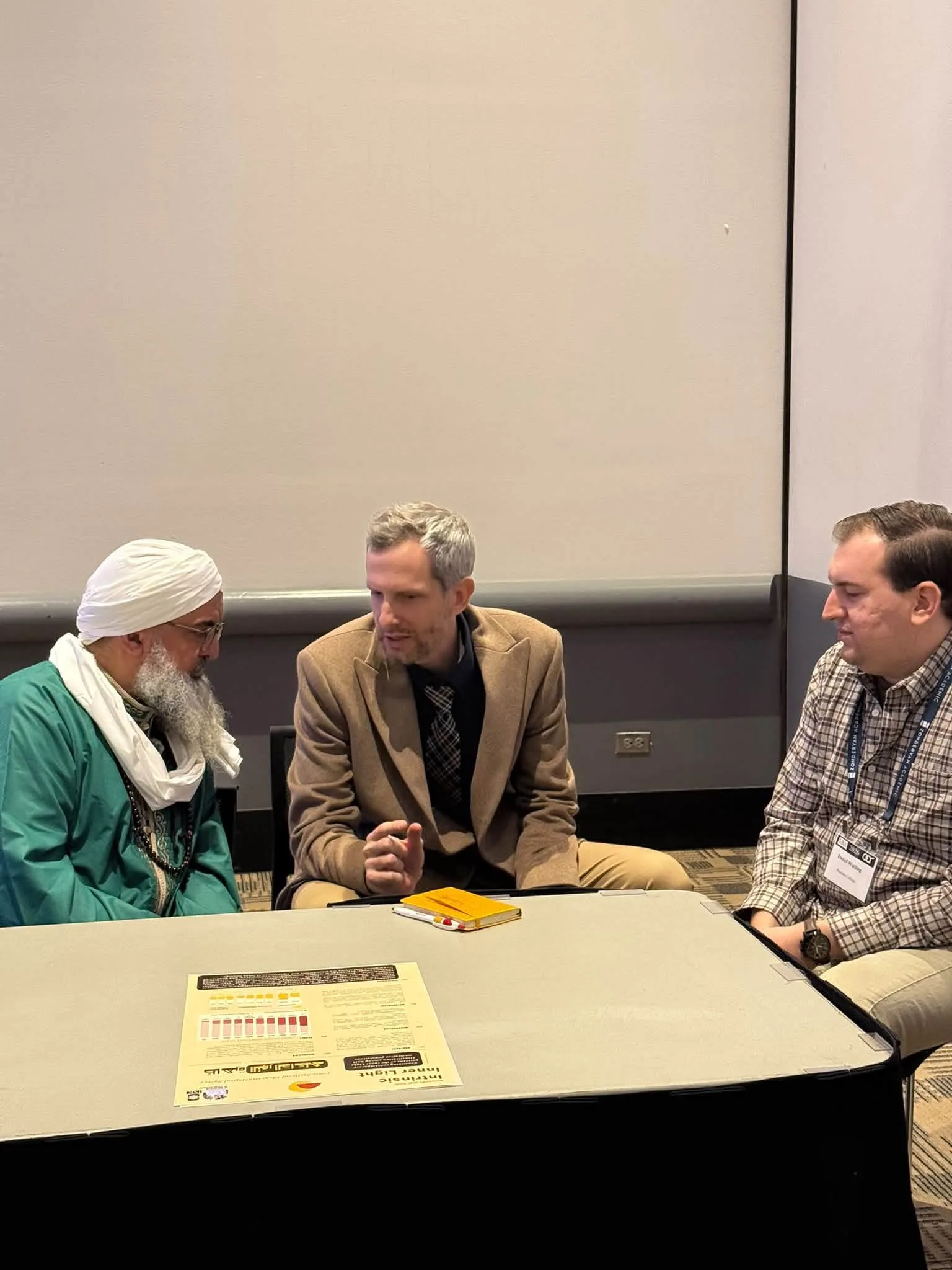
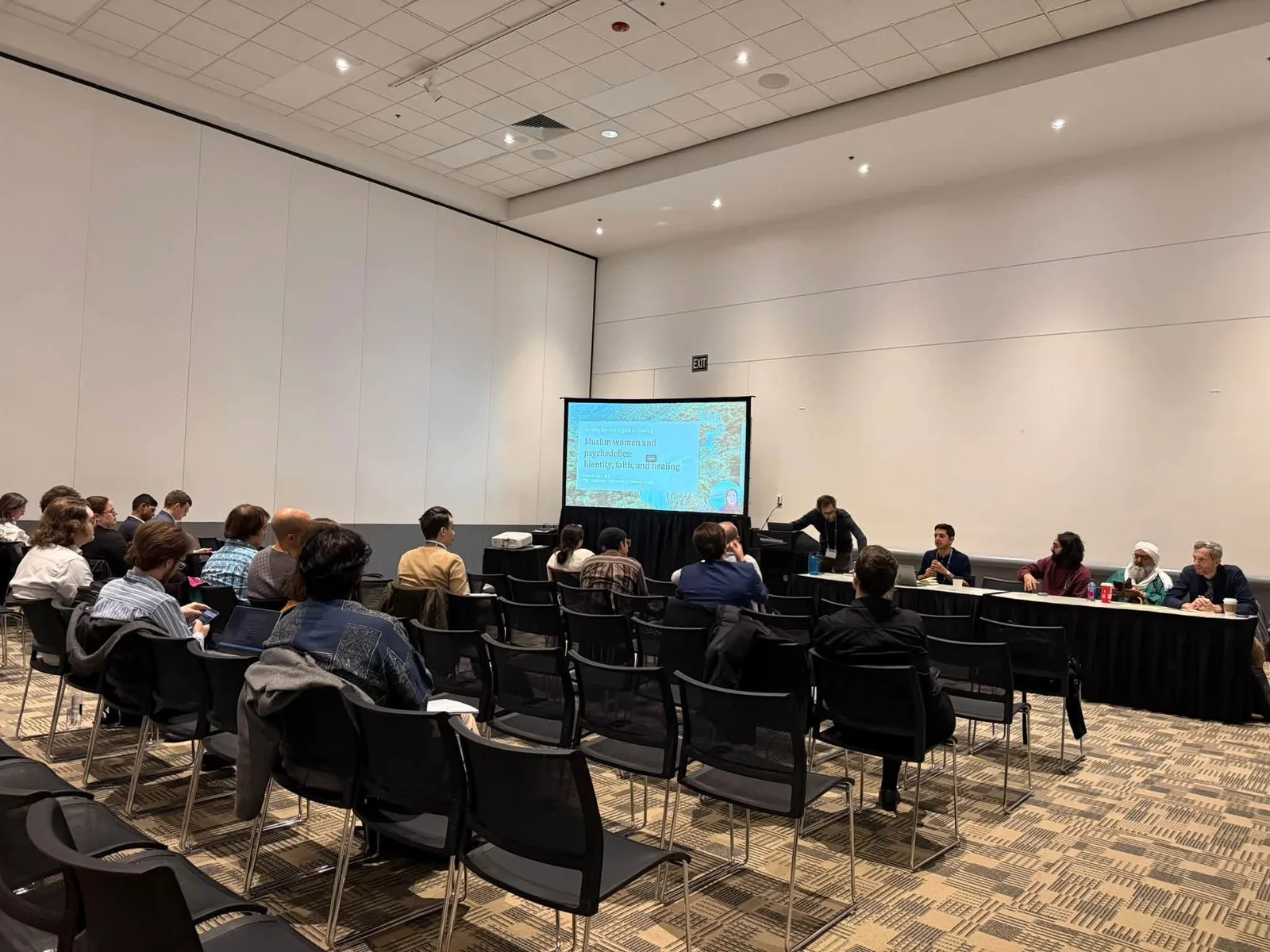
On 21 November 2026, Shaykh Mohamed Faouzi al-Karkari was invited to speak as a lecturer at the 2026 Annual Meeting of the American Academy of Religion (AAR), held in Denver, Colorado.
The American Academy of Religion is among the most important academic associations devoted to the scholarly study of religion. Each year it brings together thousands of researchers, professors, academics and specialists in religious studies from universities and institutions around the world.
Its Annual Meeting is a major space for intellectual and interdisciplinary exchange on religious traditions, spiritual experiences and their place in the great contemporary questions relating to religion, philosophy, consciousness, ethics and human experience.
Islam, psychedelics and the preservation of the intellect
In this setting, Shaykh Mohamed Faouzi al-Karkari took part in an interdisciplinary round table entitled “Islam, Psychedelics & Global Muslim Communities”, devoted in particular to psychedelics, consciousness and spiritual experiences within Muslim communities.
His participation made it possible to bring into this academic reflection the perspective of a Sufi spiritual master from a living tradition, drawing both on the Islamic sources and on nearly twenty years of accompanying people engaged on the spiritual path.
Drawing on the Qur’an, the prophetic tradition and his experience as a spiritual guide, the Shaykh offered a reflection on spiritual awakening, altered states of consciousness, healing and the fundamental importance of preserving the human intellect.
At the heart of his talk was a fundamental prophetic teaching:
« كُلُّ مُسْكِرٍ حَرَامٌ »
“Every intoxicant is forbidden.”
The preservation of the intellect in the Islamic tradition
Shaykh Mohamed Faouzi al-Karkari stressed the importance Islam gives to preserving the ‘aql, the intellect and the faculty of discernment.
Drawing in particular on the prophetic teaching that every intoxicant is forbidden, he explained that one of the central questions about psychedelic substances lies in their real effects on the individual: do they cause intoxication, do they alter consciousness, or do they lead to a loss of control over the mental faculties?
The Shaykh took care, however, not to pronounce a definitive religious ruling on any particular psychedelic plant or mushroom.
He recalled that such a question requires an in-depth study of the substance concerned, of its properties and of its effects. When a substance causes intoxication and an impairment of the intellect, it falls within the scope of the prophetic prohibition. On the other hand, a prohibition cannot be asserted without sufficient religious evidence to establish it.
He also recalled the prophetic teaching that God created disease and its remedy, while indicating that the believer must not seek healing by means of what is forbidden.
Experience of consciousness and spiritual transformation
Beyond the question of permissibility, the Shaykh invited the participants to reflect on an essential distinction: the difference between temporarily experiencing another state of consciousness and undergoing a lasting spiritual transformation.
Drawing on his experience within the Karkariya Sufi path, he presented a conception of spiritual awakening founded on dhikr, the remembrance of God, tawba, repentance, contemplation and spiritual discipline.
According to this approach, the inner journey does not require introducing an external substance into the body. Through the remembrance of God, divine guidance and spiritual work, the seeker can reach experiences of spiritual unveiling, or kashf, while remaining fully conscious and present to his surroundings.
With reference to the Qur’anic verse:
“Allah is the Light of the heavens and the earth”
(Qur’an, 24:35)
the Shaykh spoke of the divine Light as the foundation of spiritual realisation.
He also recalled the story of the Prophet Ibrahim, when he contemplates the star, the moon and then the sun (Qur’an, 6:76-78), presenting this sequence as an illustration of a gradual path along which the seeker learns to orient himself towards God.
An experience is not necessarily a transformation
The Shaykh also spoke of the testimonies of people who had consumed psychedelic mushrooms and who then turned to him to be accompanied in their spiritual journey.
Some of them had experienced extraordinary visions or states of deep tranquillity, but had also felt the need to return regularly to the substance in order to recover these experiences.
This situation led him to ask a fundamental question:
Can an experience truly liberate a human being if access to that experience depends on an external substance?
For the Shaykh, an authentic spiritual transformation should not lead to dependence, but to greater freedom, clarity, responsibility and awareness.
He also questioned the idea that a psychedelic experience would necessarily constitute knowledge of God.
Rediscovering a religious identity can be a beginning, but spiritual realisation requires going further: learning to know oneself, recognising one’s own shortcomings, rectifying one’s understanding and developing a permanent relationship with the Creator.
Knowing oneself in order to be transformed
In his talk, the Shaykh presented three dimensions of the spiritual journey: discovering the realities of creation, turning towards one’s own inner self in order to recognise one’s condition, and then continuing a work of purification and healing under divine guidance.
This approach places the human being at the centre of his own spiritual responsibility.
The Shaykh thus warned against attributing to a plant or a substance a sacred dimension that would give it authority over the heart and mind of the human being.
He summed up this idea in a particularly powerful saying:
“It is you who direct the universe; it is not the universe that directs you. So how can you let a tree direct you and control you?”
A Sufi perspective on psychedelics
Shaykh Mohamed Faouzi al-Karkari’s participation in the Annual Meeting of the American Academy of Religion thus brought an Islamic and Sufi perspective to the contemporary debate on psychedelics.
His talk was not limited to the question of their permissibility. Above all, it placed the discussion within a broader reflection on consciousness, inner freedom, responsibility, self-knowledge and true spiritual realisation.
For Shaykh al-Karkari, the aim of the spiritual path is not simply to experience extraordinary realities. It is to become a more conscious, balanced, compassionate and upright human being, whose relationship with God also transforms his relationship with himself, with his family and with the world around him.
Thus, beyond the experience itself lies a deeper purpose: the knowledge of God.
Shaykh Mohamed Faouzi al-Karkari’s participation in the 2026 Annual Meeting of the American Academy of Religion in Denver bears witness to the possibility of a dialogue between the living Sufi tradition and contemporary research on consciousness, spiritual experiences and the human being.
Photos