News
Shaykh Mohamed Faouzi al-Karkari invited to the University of Chicago to speak about near-death experiences
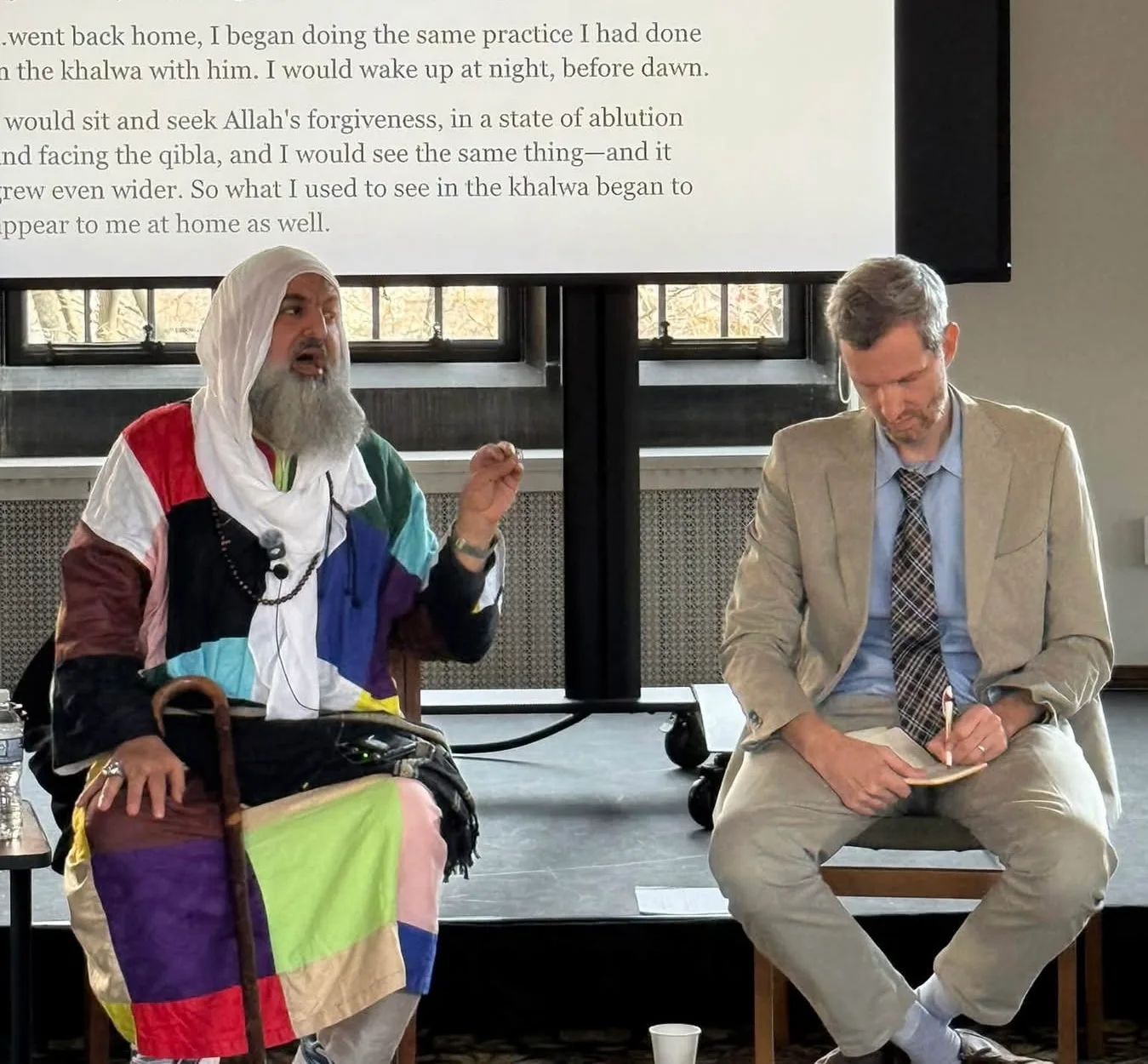
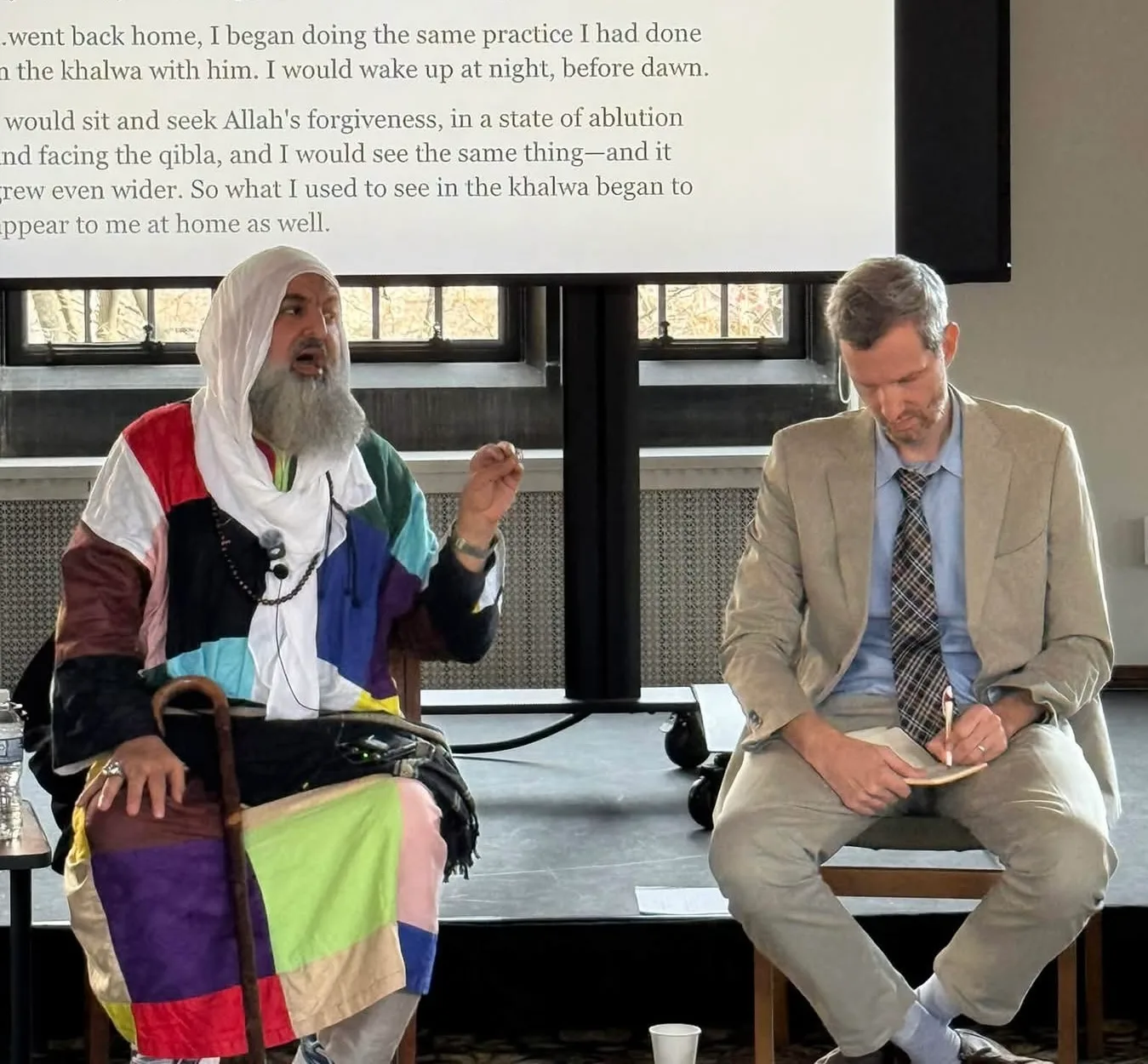
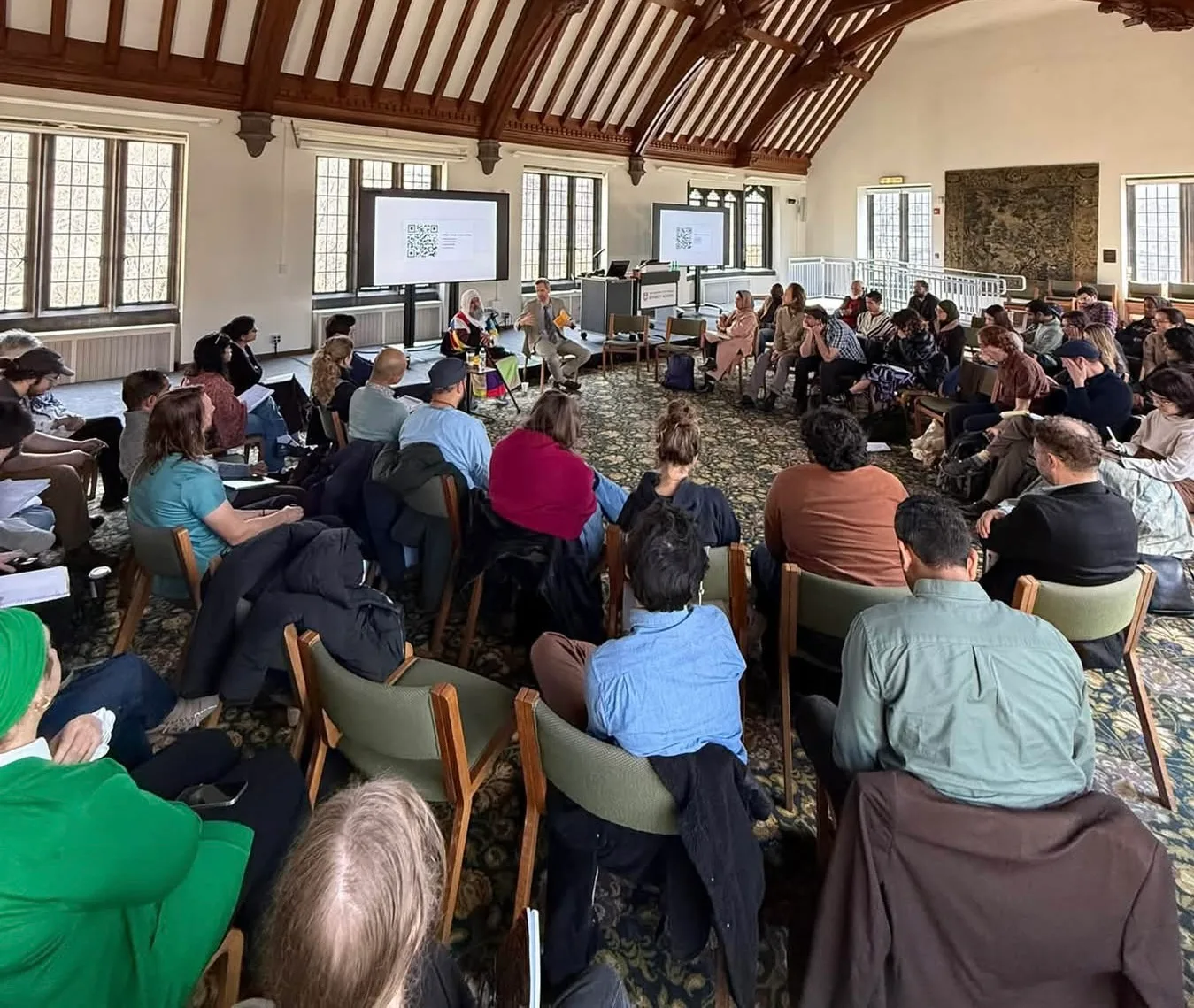
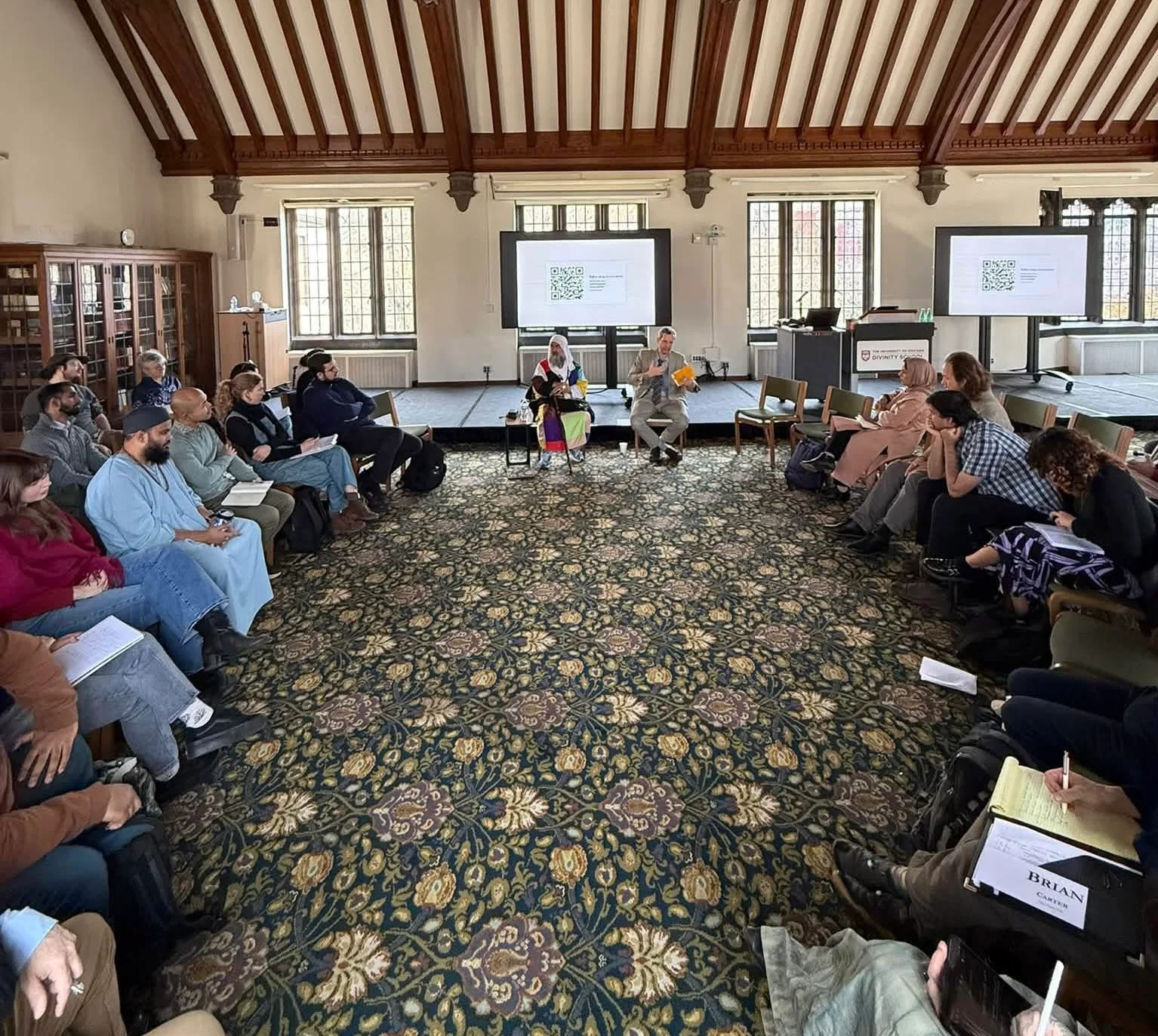
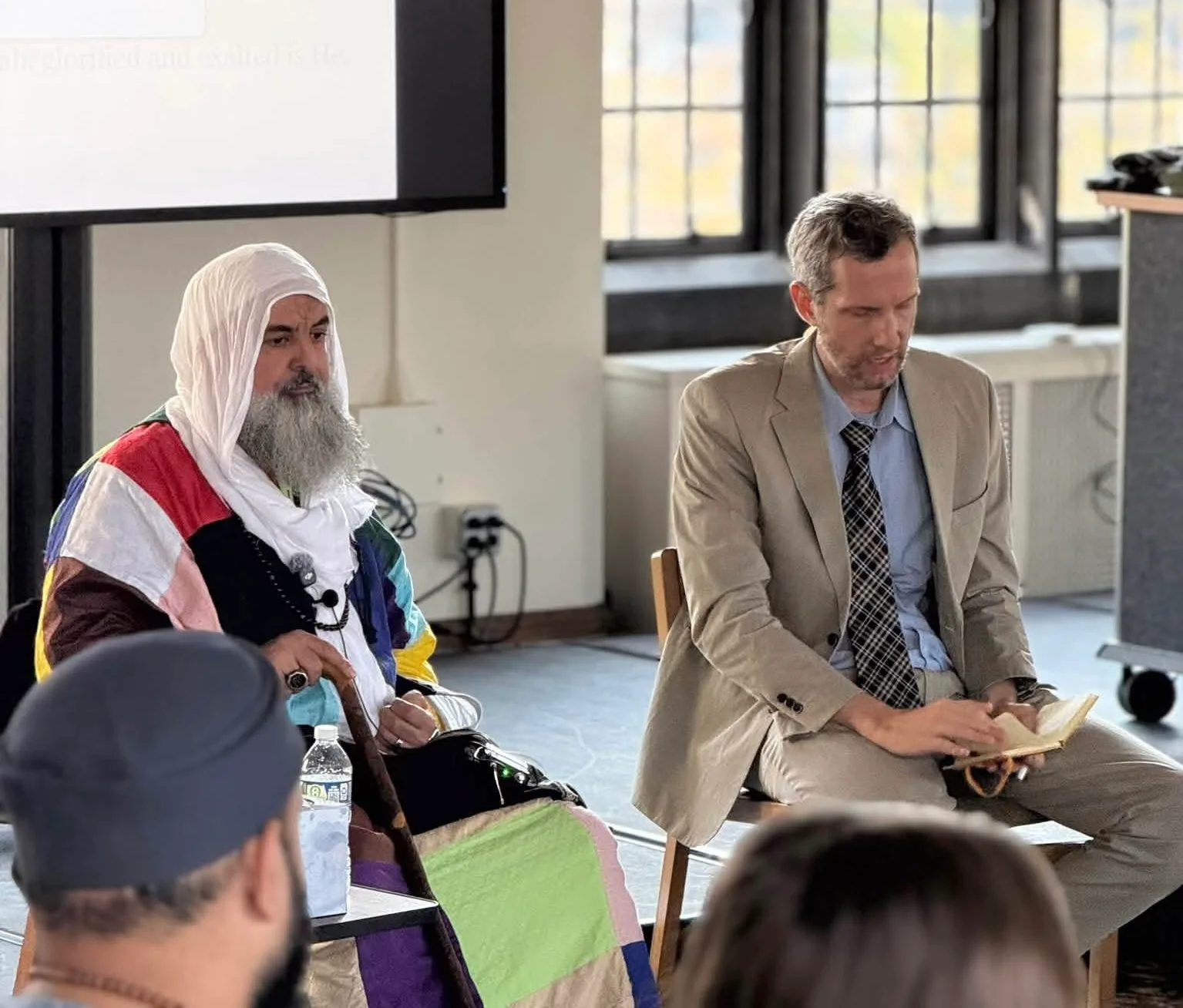
On 19 November 2026, Shaykh Mohamed Faouzi al-Karkari was invited to the University of Chicago to speak as part of a course devoted to near-death experiences (NDEs).
This meeting made it possible to explore questions relating to death, consciousness and spiritual realities through the lens of the Sufi tradition and the Shaykh’s personal experience.
During his talk, Shaykh Mohamed Faouzi al-Karkari shared the account of three experiences in which he found himself facing the nearness of death. These experiences, lived at different periods of his life, deeply marked his spiritual journey and his understanding of the relationship between the human being, death and the divine reality.
Death from the Sufi perspective
The Shaykh notably presented the Sufi understanding of death as a passage between the mulk, the material world, and the malakut, the spiritual world.
Between these two dimensions lies the barzakh, the intermediate world that both separates and connects these two realities.
Drawing on his own journey, he recounted three particularly formative experiences: a suicide attempt in his youth, a vision of the grave experienced during a spiritual practice of remembrance, and then a poisoning that endangered his life.
These experiences led him to reflect deeply on divine judgement, on the meaning of repentance, and on the role of spiritual companionship and of the khalwa, the spiritual retreat, in inner transformation.
From suffering to the experience of mercy
The Shaykh’s testimony also traced a path that, after being marked by suffering and isolation, was gradually transformed into an experience of divine mercy, of light and of closeness to God.
At the heart of his testimony, one saying sums up this understanding:
“I chose death, and my Lord chose life for me, so that you would know that it is my Lord who chooses, and not you, nor I.”
Through this saying, the Shaykh evoked the way a human being can find himself facing situations in which he believes there is no way out, even as divine mercy can open a path where no possibility seems to remain.
A reflection on divine mercy
Beyond the exceptional nature of these experiences, the Shaykh’s talk carried a universal message: God’s mercy and love are never absent, even in the darkest moments of existence.
His testimony thus highlighted the way trials can become, by divine grace, the starting point of an inner transformation and of a spiritual journey.
The meeting also made it possible to create a dialogue between university research on near-death experiences and the lived experience of a Sufi spiritual tradition.
A dialogue between academic research and the Sufi tradition
Shaykh Mohamed Faouzi al-Karkari was welcomed as part of an exchange organised with the participation of Dr Yousef Casewit, offering a space for dialogue around questions that lie at the crossroads of spirituality, consciousness and human experience.
This meeting at the University of Chicago is part of an effort to bring contemporary questions about consciousness and death into dialogue with the teachings of the living Sufi tradition.
Through this kind of meeting, the words and experience of Shaykh Mohamed Faouzi al-Karkari help open a space for reflection on one of the deepest questions of human existence: what happens when a human being is confronted with the border between life and death?
Photos