News
Sainthood in the light of Sufism and academic research: Shaykh Mohamed Faouzi al-Karkari's lecture at Yale University
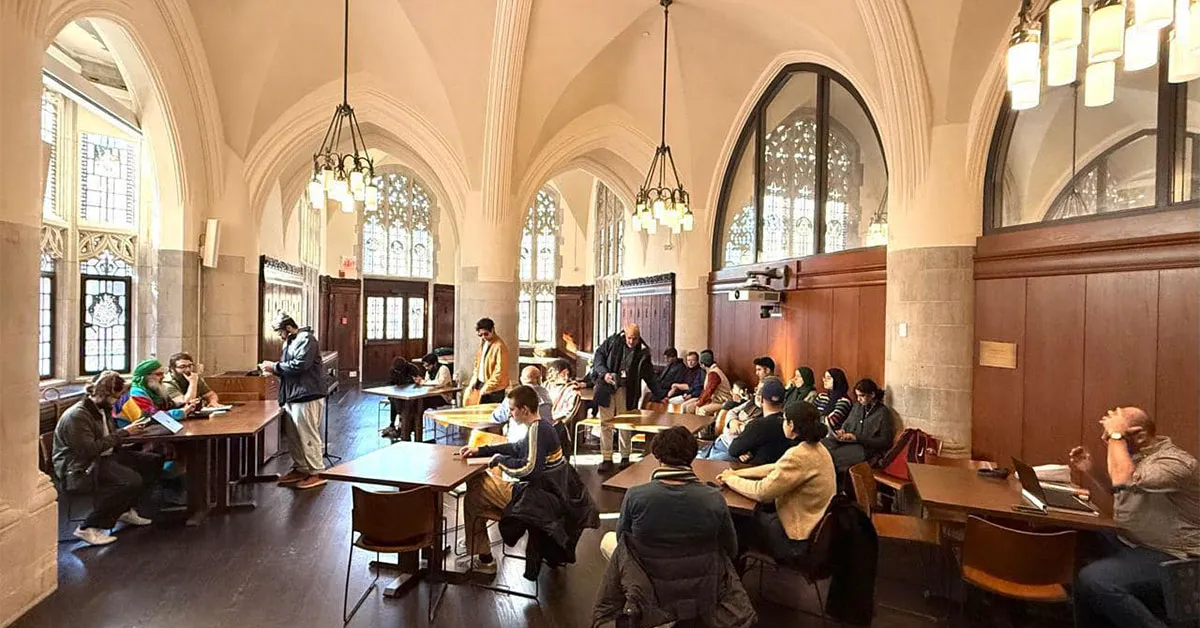
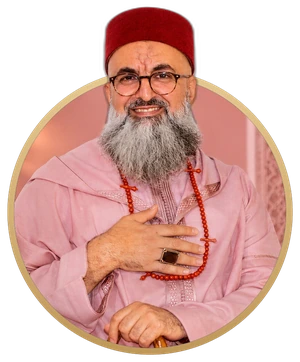
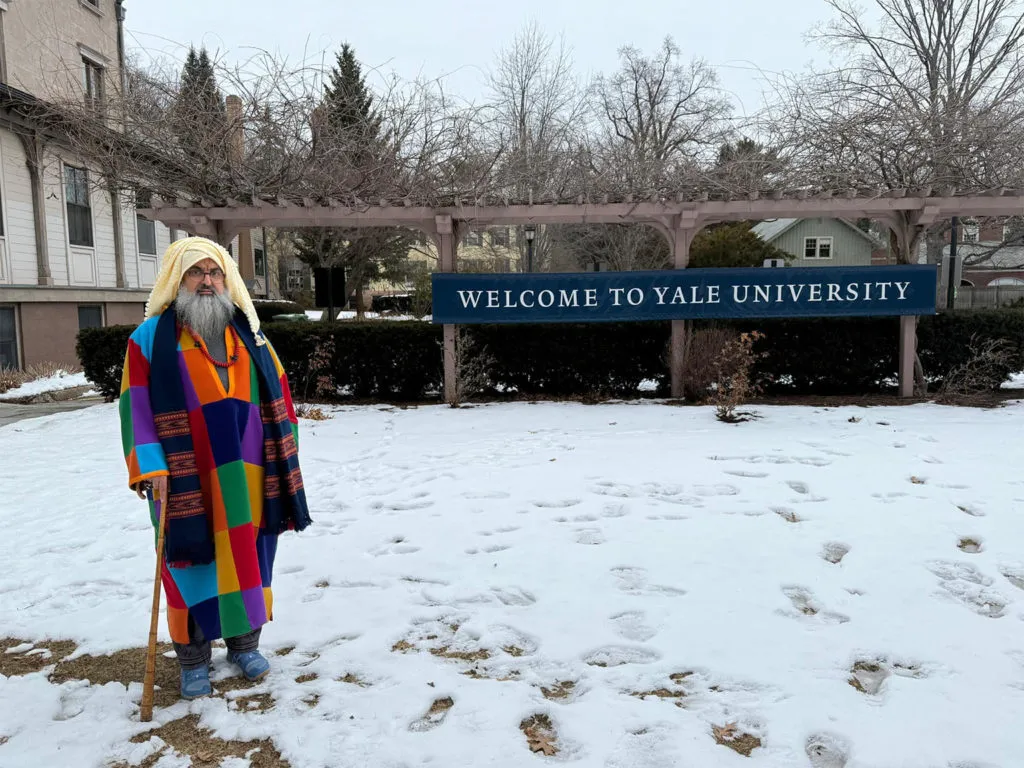
As an actor in and representative of the Al-Karkari Institute, an institute for Sufi studies that aims to foster dialogue between Sufism and university research, Shaykh Mohamed Faouzi al-Karkari was invited to a lecture, on 14 February 2025, on the concept of the Islamic idea of wilaya (sainthood). The event was organised by the MacMillan Center for International and Area Studies of Yale University and moderated by Dr Rami Koujah, researcher at the Kamel Center for the Study of Islamic Law and Civilization of Yale Law School.
A large number of academics and students from various fields attended the lecture, taking a close interest in the Shaykh’s ideas on the metaphysical dimensions of wilaya and its meaning in Islamic Sufi thought.
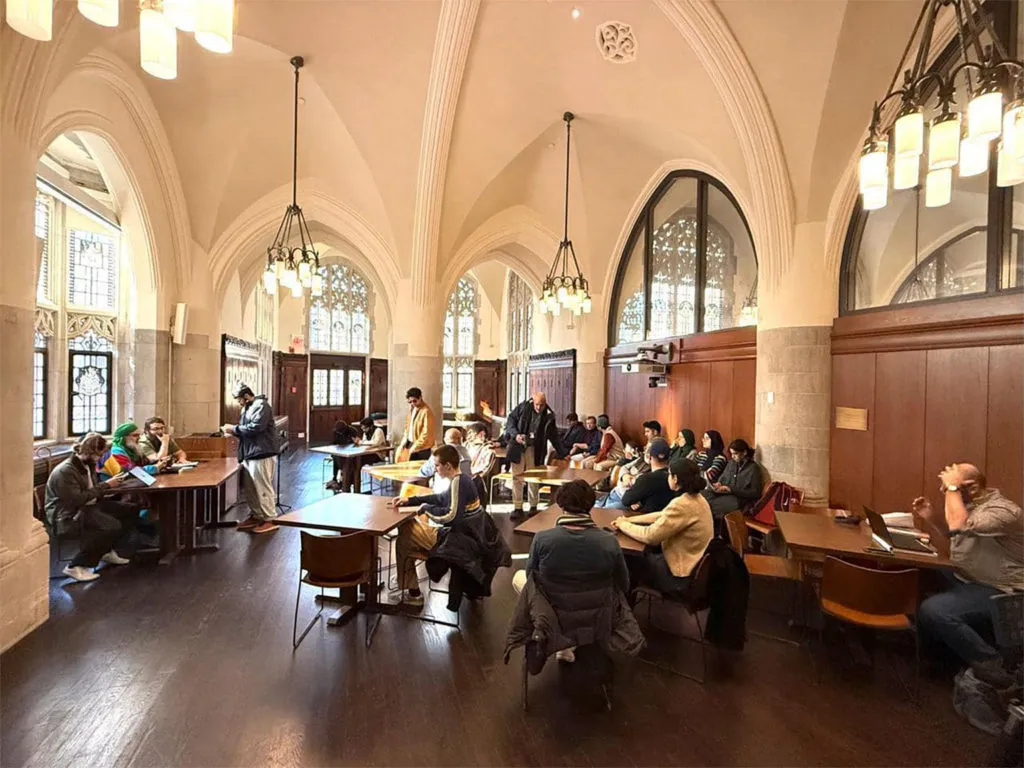
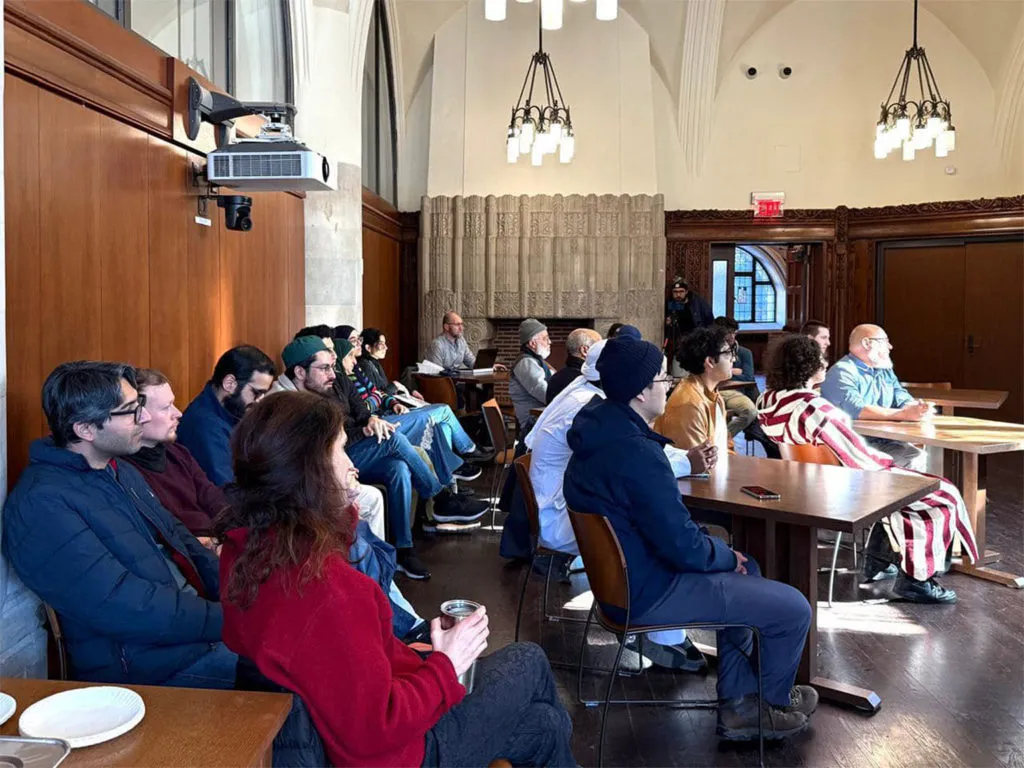
A dynamic exchange between Sufism and the university world
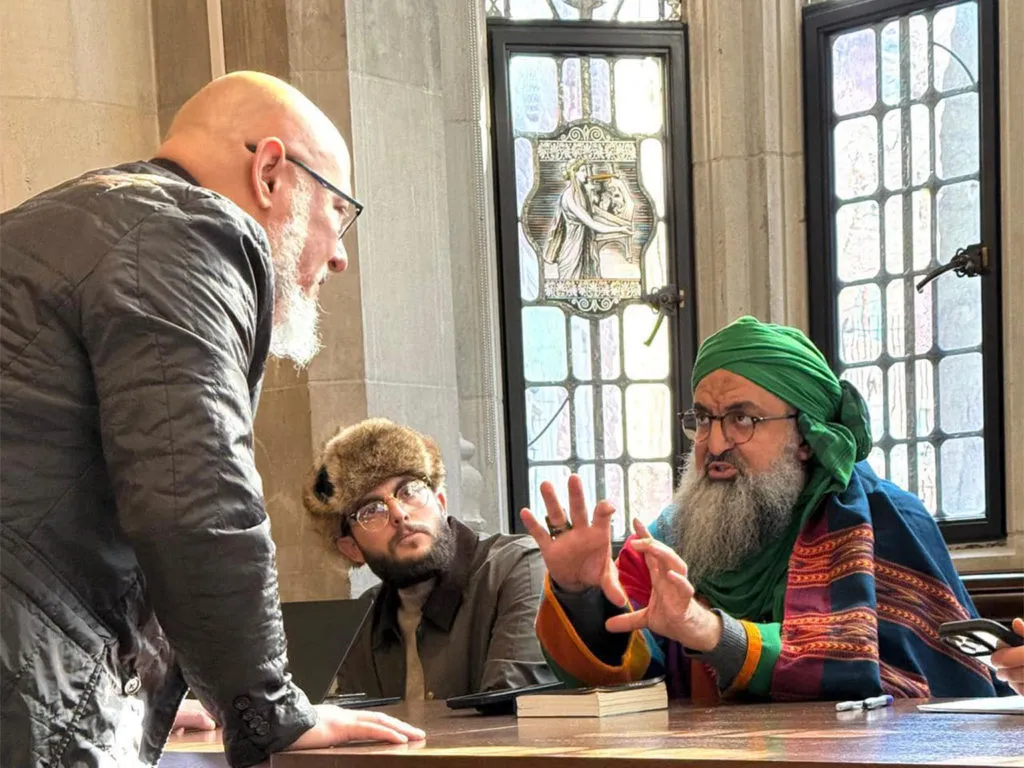
The discussion gave rise to an enthusiastic exchange between the audience and the Shaykh, with stimulating questions on the philosophical and existential aspects of wilaya, its link with divine knowledge and its role in man’s spiritual journey. Drawing on lived Sufi experience, the Sufi master Shaykh Mohamed Faouzi al-Karkari explained how wilaya serves as a fundamental pillar of the luminous path that leads to spiritual union and to the unveiling of the original divine reality.
He combined rational and textual arguments, blending scriptural references, theological reasoning and experiential knowledge in harmony. After the lecture, an open discussion allowed an enriching intellectual exchange between the Shaykh and the participating scholars, demonstrating the continuing need to connect academic research with lived mystical traditions.