News
The Al-Karkari Institute at Stanford and Berkeley universities
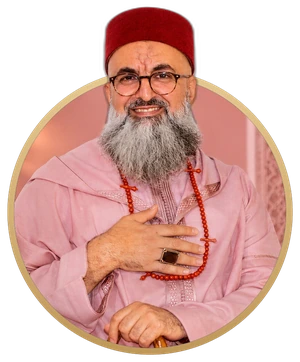
During his latest trip to the USA, the Moroccan Sufi Shaykh, Sidi Mohamed Faouzi al-Karkari – may Allah sanctify his secret – spoke at two major universities in California, Stanford University and Berkeley. These landmark talks have the innovation of placing Sufism and its teachings back in the spirit of contemporaneity to which it has always belonged. It was as representative of his Institute, the Al-Karkari Institute founded in 2023, that the Shaykh set out his teachings.
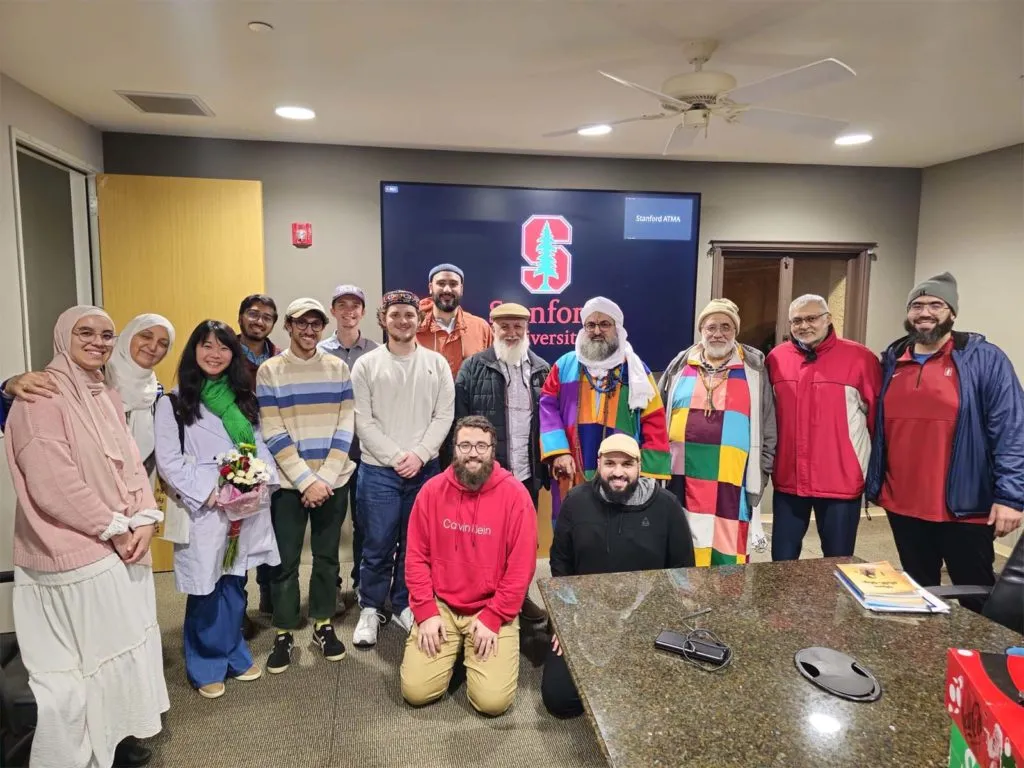
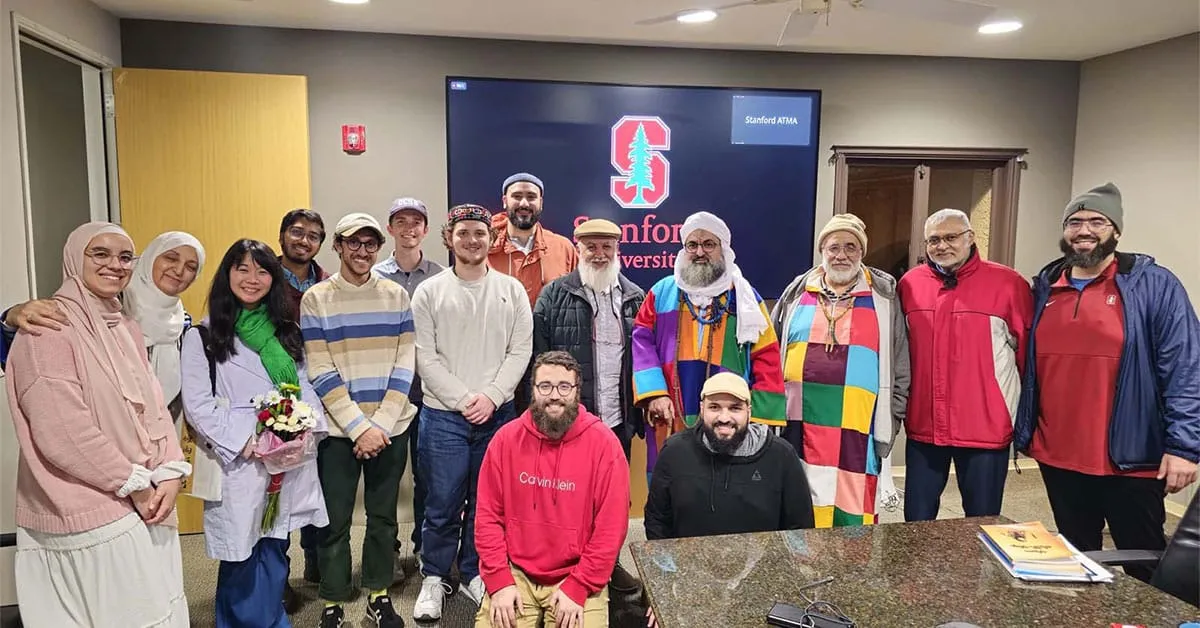
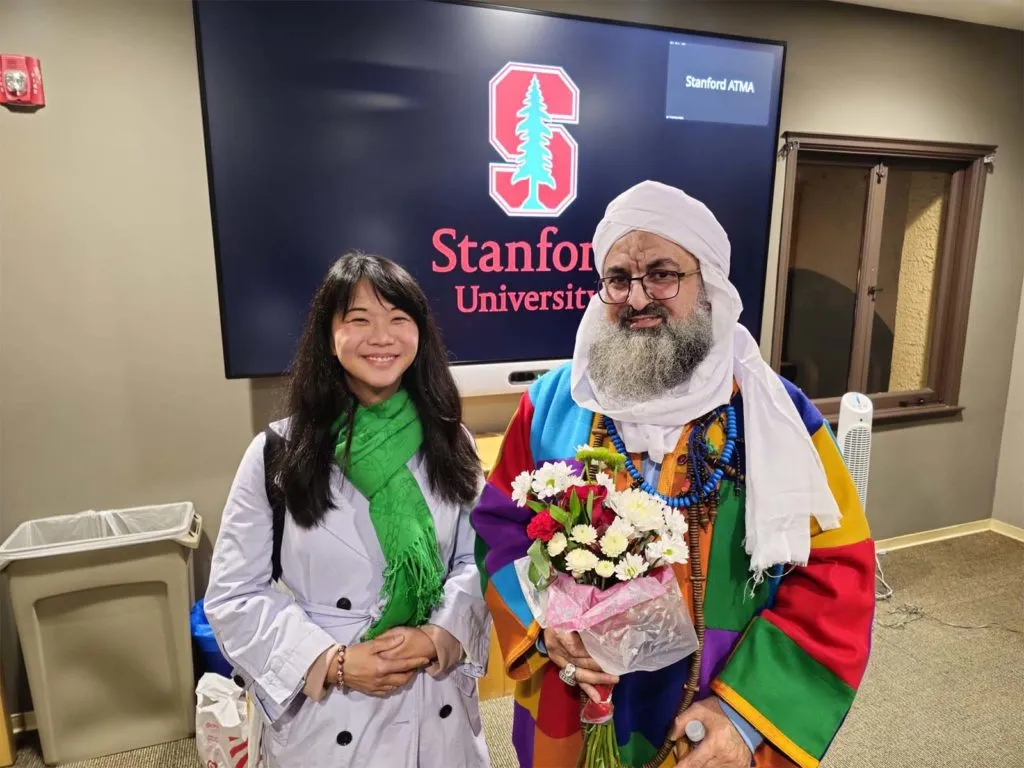
Stanford University, 12 December 2024.
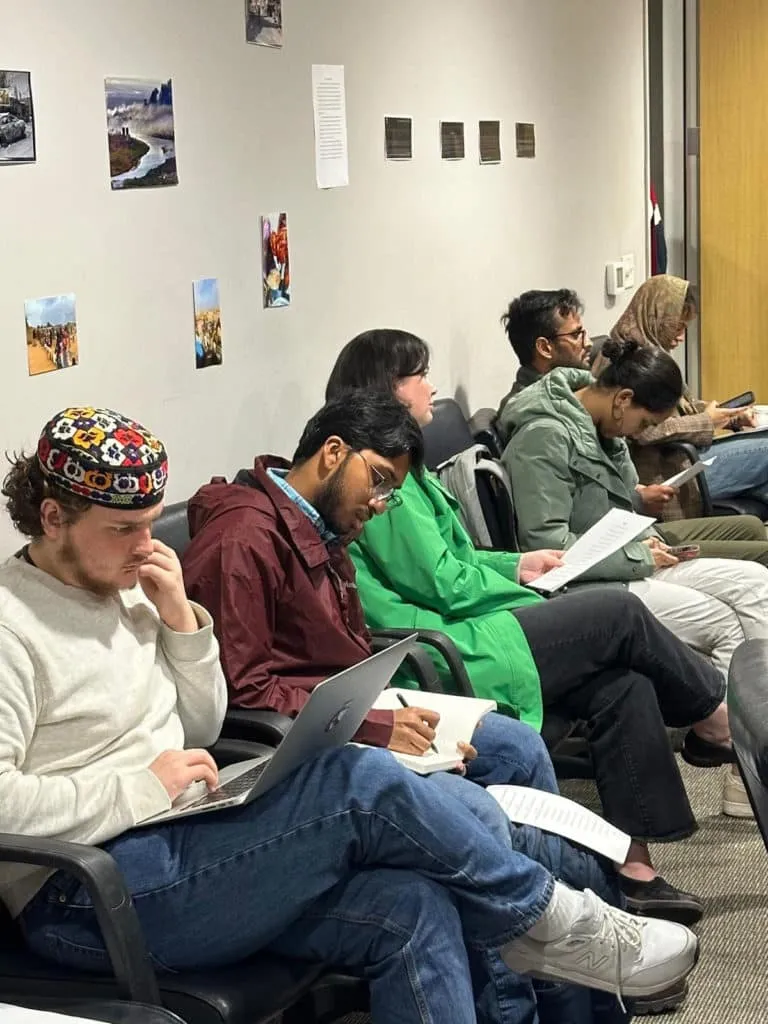
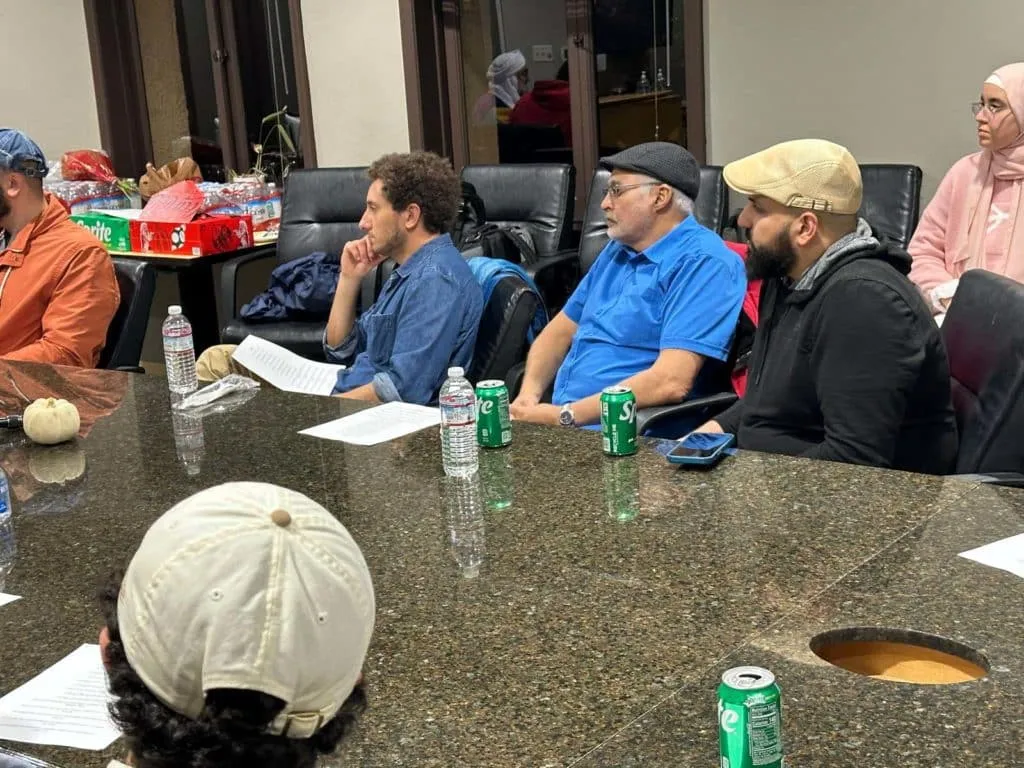
On 12 December, Stanford University hosted a workshop devoted to the poetry of the famous Sufi, Shaykh al-Hallaj (d. 922). Various speakers, among them researchers from Yale and Harvard, offered the audience reflections on the themes of fana (the annihilation of the self) and the witnessing of the divine. As for Shaykh Mohamed Faouzi al-Karkari, his talk highlighted the philosophical and ethical dimensions of al-Hallaj, prompting a lively discussion on the relevance of the concepts in contemporary debates on subjectivity, transcendence and moral responsibility. He also echoed this by mentioning his own poem:
Above the seven paradises
of the throne and the footstool
The secret of Ihsan has shone forth
my sun has blazed up for me.
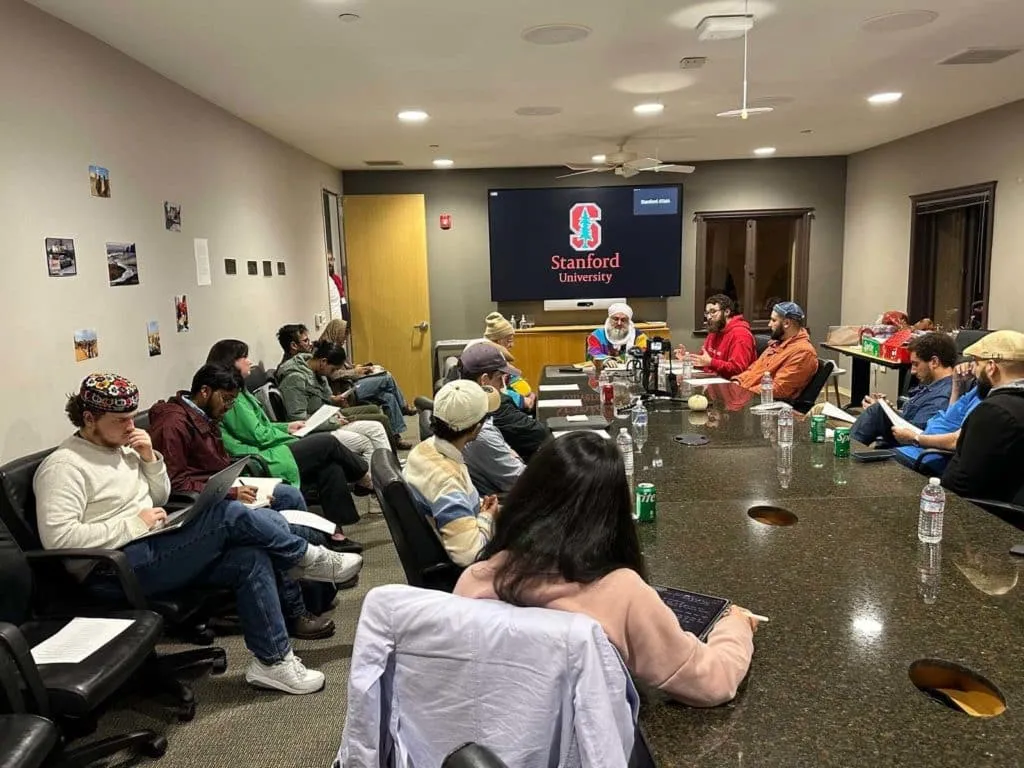
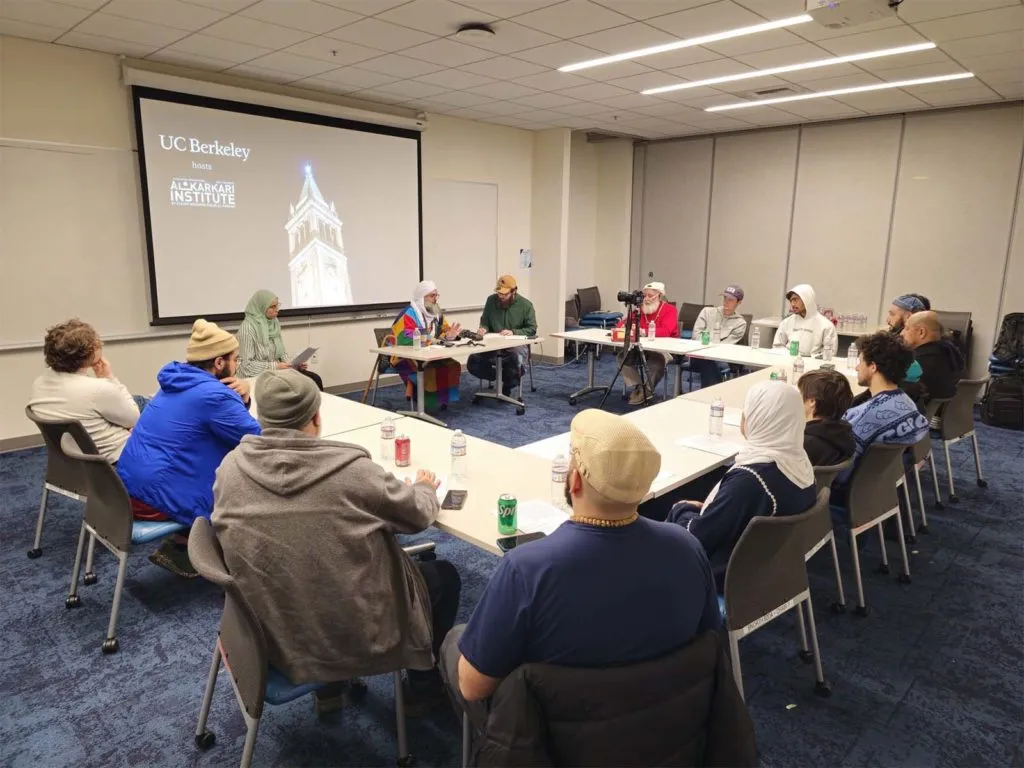
UC Berkeley, 14 December 2024.
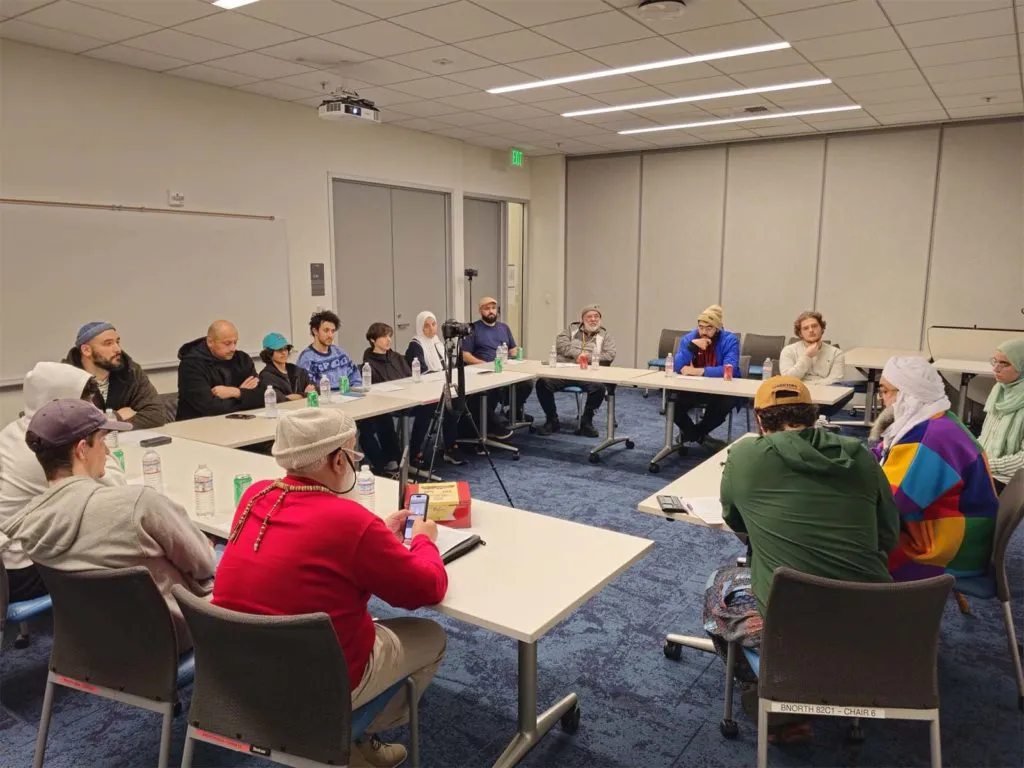
A second workshop, this time at UC Berkeley, on a theme built around the famous Sufi master of Seville and the Maghreb, Shaykh Abu Madyan (d. 1198). The workshop looked in particular at his famous poem When I remember my Lord, which Shaykh Mohamed Faouzi al-Karkari placed in its historical and intellectual context.
The Shaykh explained Abu Madyan’s theology, which emphasises the primordiality of the divine essence, attributes, names and actions as an indivisible whole. In this vision, God alone truly exists, while all of creation is only a mere trace, a reflection of the divine revelation in the cosmic mirror. The discussion that followed, enriched by the questions of established academics and graduate students, illustrated how classical texts still shed light on contemporary conceptions of religious epistemology, moral philosophy and mystical experience. The participants asked how to translate this complex theology into modern philosophical discourse and how to appreciate its relevance without distorting its original spiritual meaning.
The Al-Karkari Institute
These workshops are part of a wider initiative of the Al-Karkari Institute aiming to encourage dialogue between traditional Sufi practitioners and academics, whatever their personal religious affiliation. Marouen Jedoui, a doctoral student in religious studies at Yale, facilitated the translation and interpretation. His role illustrated the benefits of interdisciplinary collaboration, ensuring that the Shaykh’s perspectives were communicated accurately and that specialised Islamic metaphysical terms were rendered meaningfully for a university audience. This careful mediation underscored the methodological challenges inherent in introducing esoteric knowledge into university frameworks. While university studies often favour analytical distance, an emic approach seeks to respect the internal coherence and the spiritual realities of Sufism. The result is a more nuanced understanding of Sufi literature and practice, which honours the lived dimensions of mysticism rather than reducing them to historical data points or abstract theories.